
Just Kidding
De lunes a viernes a las 15.00 horas en Boing nos espera Just Kidding. Un espacio de cámara oculta donde, en esta versión infantil, son los niños los que “seducen” a los adultos para caer en sus trampas. Gracias a las elaboradas bromas nadie está a salvo en la ciudad, ni en las calles, ni en el supermercado, ni en las grandes superficies. En cualquier momento un transeúnte despistado puede caer en las redes de estos pequeños bromistas…
Continuar leyendo: Just Kidding
Fuente: Taconline.net
 Is your eLearning course easy to navigate, understand and use? eLearning should be so friendly and easy to use that it leaves your learners smiling!See it on Scoop.it, via TIC & Educación
 Providing a wealth of resources for K-12 science educators, Science NetLinks is your guide to meaningful standards-based Internet experiences for students.Maite SF’s insight:Science Netlinks es un gran sitio web donde podrás encontrar muchos recursos para profesores de ciencias, que pueden ser muy útiles para sus clases.See it on Scoop.it, via Aprender y educar
 In a sea of companies and entrepreneurs, it is easy to get lost in the crowd. Here are a few pointers on how to stand out.See it on Scoop.it, via Educacion, ecologia y TIC
 Tools, tips and programs that help people stand up for each other.See it on Scoop.it, via Educacion, ecologia y TIC
 See it on Scoop.it, via Educacion, ecologia y TIC
 TeachUNICEF is a portfolio of free global education resources. Resources cover grades PK-12, are interdisciplinary (social studies, science, math, English/language arts, foreign/world languages), and align with standards.Maite SF’s insight:Cartera de recursos de educación global y libre para cualquier estudiante o docente.See it on Scoop.it, via Aprender y educar
 In this article, I will share some scientifically proven brain facts that you’ll want to take into consideration before creating your next eLearning course. Keeping these interesting brain facts on hand may allow you to develop eLearning courses that offer the most value and benefit to the learner, given that you’ll have a more comprehensive understanding of the inner works of the brain. See it on Scoop.it, via Educacion, ecologia y TIC
 “Muchas organizaciones empresariales y de otro tipo están apostando por desarrollar una estrategia de aprendizaje móvil (mobile learning o mLearning) para cubrir las necesidades de formación de sus trabajadores. Pero, a la hora de diseñarla es necesario tener en cuenta muchas variables. (…)”.See it on Scoop.it, via Educacion, ecologia y TIC
 TheBrain provides advanced Mind Mapping Software and Knowledge Management Software that uses visualization and intuitive concept maps to enable intuitive searching, browsing, and organization of information. Disparate data sources are integrated and connected into an associative knowledge network to enable recall, understanding, and communication.See it on Scoop.it, via Educacion, ecologia y TIC
 Scientists have come a long way in understanding how the brain generates creative ideas. Their work can inform classroom structures if educators want to inspire more creativity in students.See it on Scoop.it, via Educacion, ecologia y TIC
 Sometimes complicated information is hard to understand and requires a visual illustration. Graphs and charts are ideal for visually communicating complex data. As teachers, we often have recourse to these visual aids to improve our students comprehension. There are actually a wide variety of web tools that you can use to easily create graphs and charts, below are some of my favourite.See it on Scoop.it, via TIC & Educación
 Aunque hayan pasado varios meses desde los incidentes de violación a la privacidad efectuados por la Agencia de Seguridad Nacional de los Estados Unidos (NSA por sus siglas en inglés), sigue estando vigente la desconfianza y el llamado de atención a protegerse al navegar en la red. Pues bien, hoy revisamos media docena de plugins para Firefox (aunque en Google Chrome hay similares) para las tareas de privacidad y seguridad, una útil lista compartida en MakeUseOf….
 Every one of us has a natural presenter type, and there are six of them: Storyteller, Counselor, Coach, Teacher, Producer, Inventor. If you can understand yo…See it on Scoop.it, via Educacion, ecologia y TIC
 I’ve even used Google Voice as an assignment. When my students wrote a short letter recently, I had them call my Google Voice number and read their letter into the voicemail. (The voicemail time limit is a very generous three minutes.) I wanted to be sure my students finished their assignment and I wanted to hear them read. We rarely have enough time in class to adequately address speaking and listening standards, so Google Voice can help with…
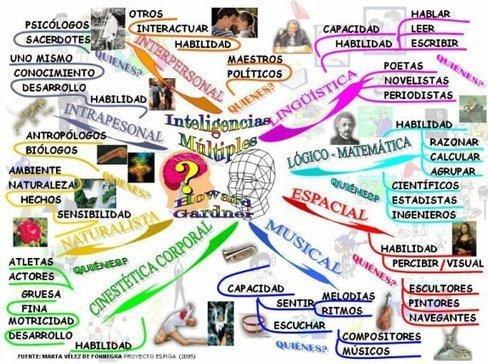 En estos últimos tiempos muchos centros educativos, especialmente de gestión privada, están apostando por aplicar en sus centros la Teoría de las intSee it on Scoop.it, via Educacion, ecologia y TIC
 PLOS Medicine is an open-access, peer-reviewed medical journal that publishes outstanding human studies that substantially enhance the understanding of human health and disease.See it on Scoop.it, via Educacion, ecologia y TIC
 Este artículo analiza los problemas pedagógicos derivados de la relación entre la práctica educativa y la sociedad del conocimiento…See it on Scoop.it, via Educacion, ecologia y TIC
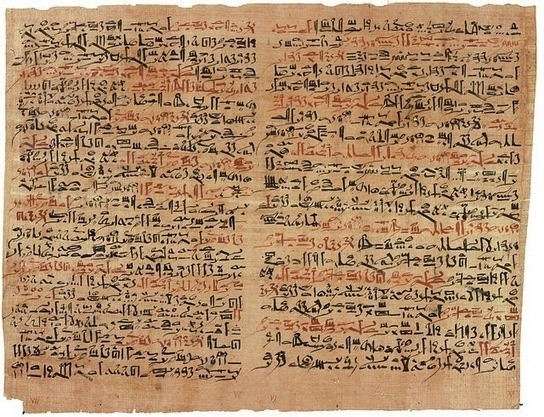 Understanding the differences between primary and secondary sources can be a challenge to some middle school and high school students. Understanding the relationship between them and the value of each in the research process can help students become better researchers.See it on Scoop.it, via TIC & Educación